

Education Session Topics and Resources
Overview
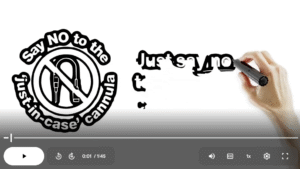
1. Intervention Overview Video
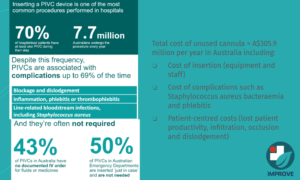
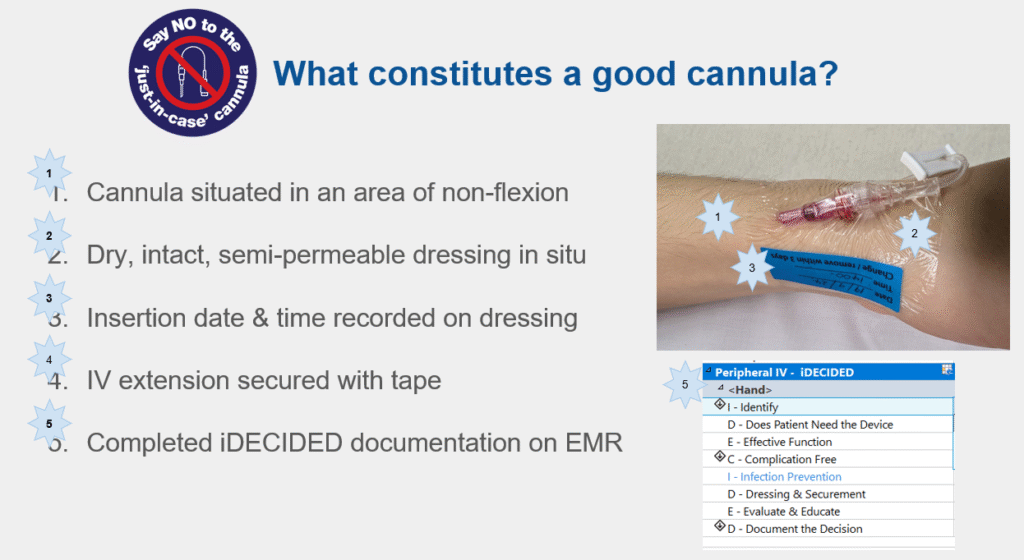
2. Overview, Interventions and Case Studies – slides
3. Patient Stories
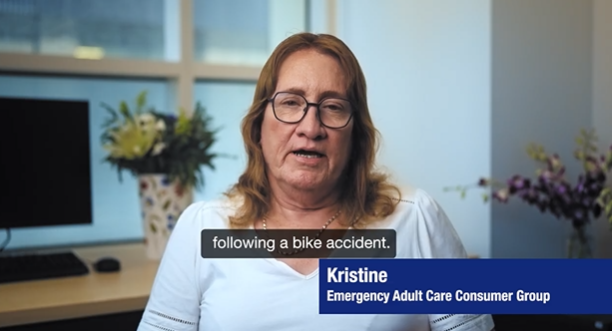
Lived Experience with Cannula. Incorporate patient stories into education sessions to enhance learning and highlight the real-world impact of PIVC practices. These stories are sourced from current patients on the floor or cases involving PIVC-related Staphylococcus aureus bacteraemia (SAB) infections.
Policy & Governance
Local policy Updates
Clinical Practice
A. Equipment Optimisation
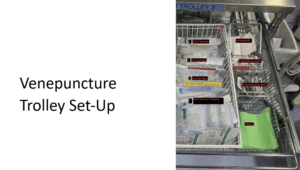
Cannulation Pack and IV Trolley Design – slides
B. Insertion & Technique
Best-Practice Venipuncture Techniques
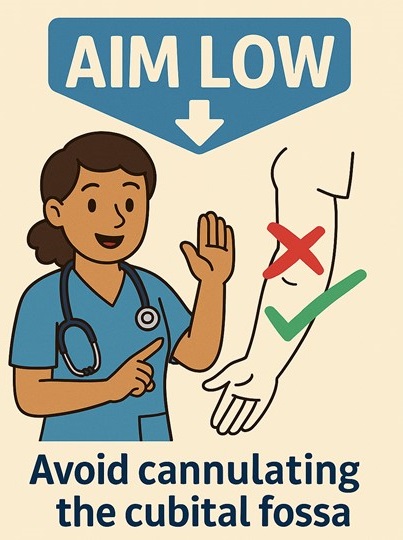
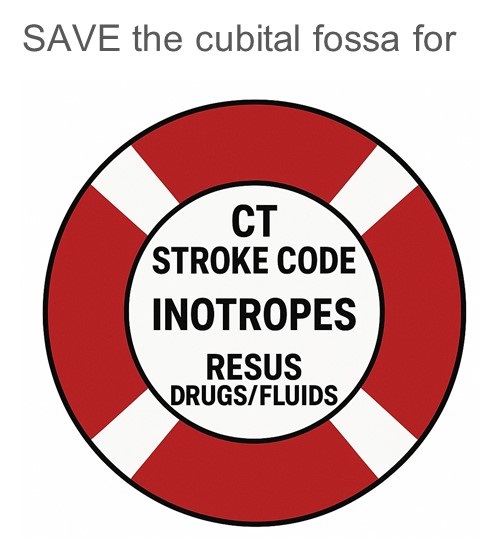
Avoid Flexion Points: Risks & Rationale
Behaviour & Implementation
Interventions for Idle Cannulae – slides
Documentation & Monitoring
PIVC Documentation – slides
Materials: such as Lanyard cards, stickers, badges, mouse pads, and/or screensavers.
Purpose: promote and inform clinicians about the interventions.
Distribution: Provide materials during medical and nursing briefings, as well as staff orientation sessions.
Implementation Tips:
Modify lanyard cards to suit local site needs.
Hand out physical copies to clinical staff in the ED and wards.
Resources to Support Implementation
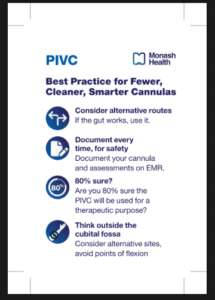
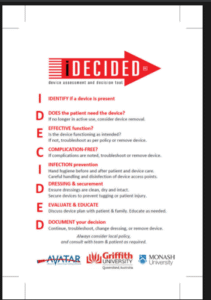
PIVC Lanyard I-DECIDED lanyard
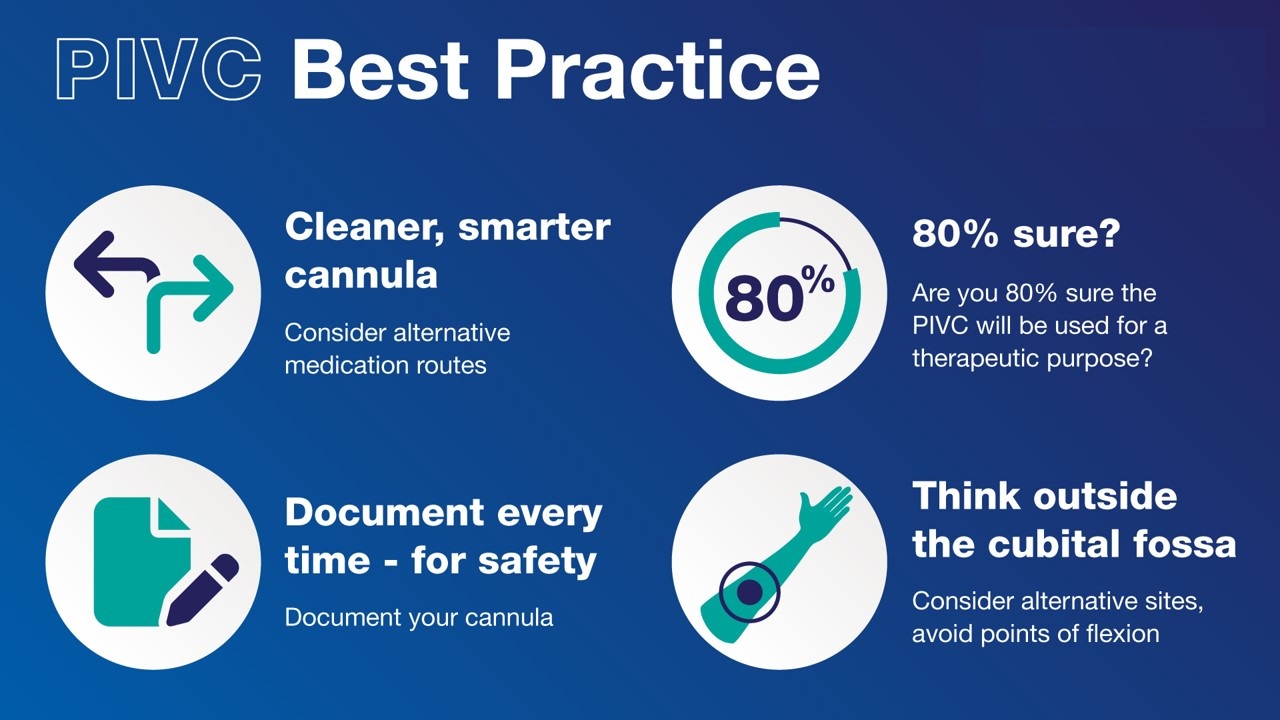
Screensaver templates
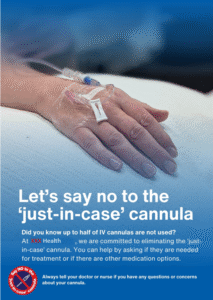
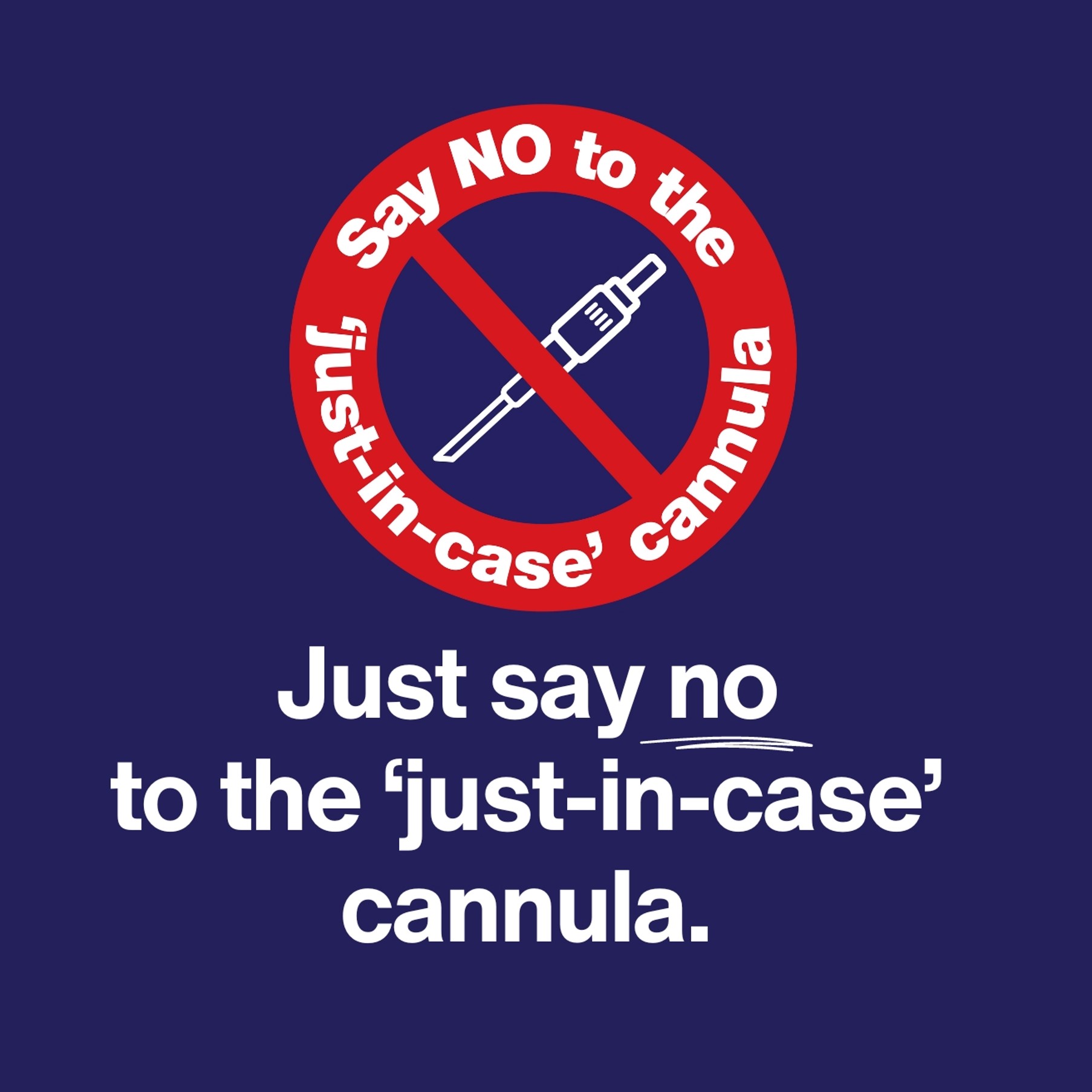
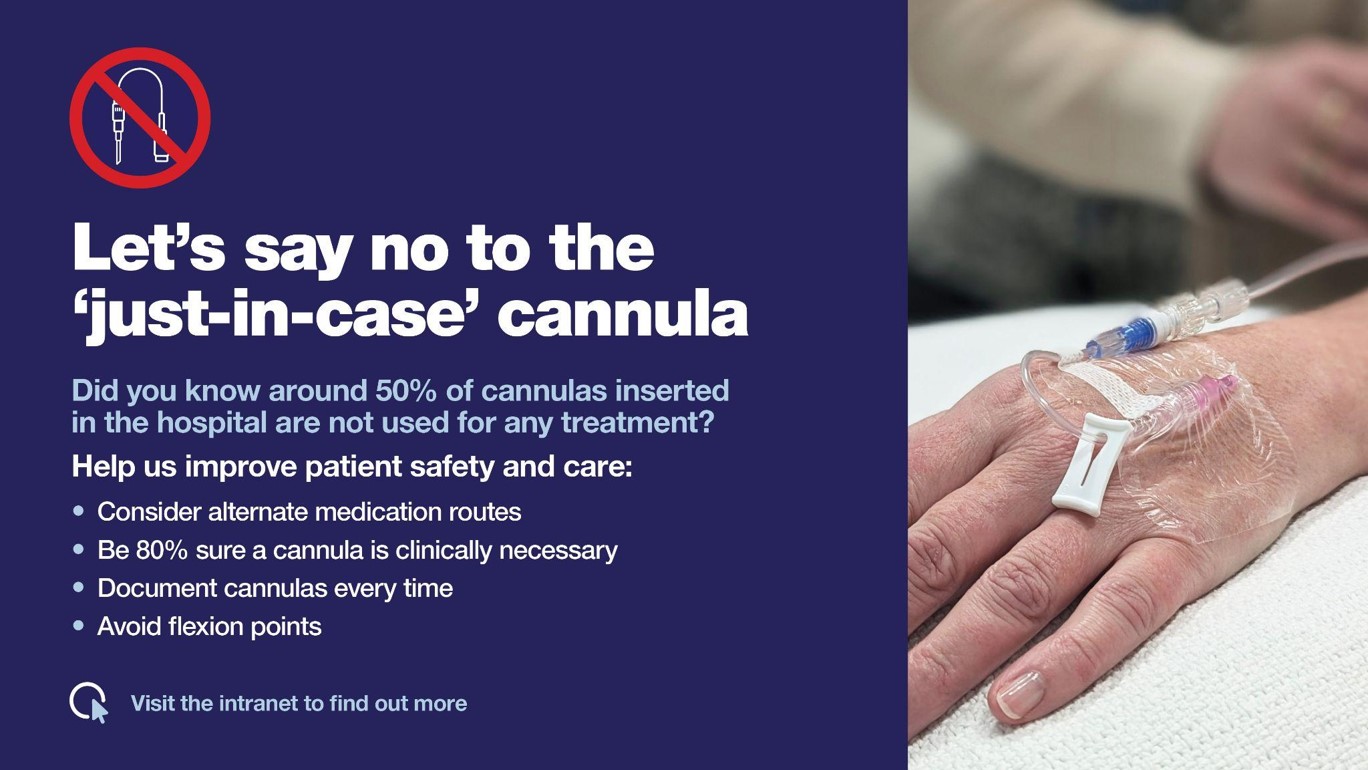
Images of stickers and mouse pads Logo templates


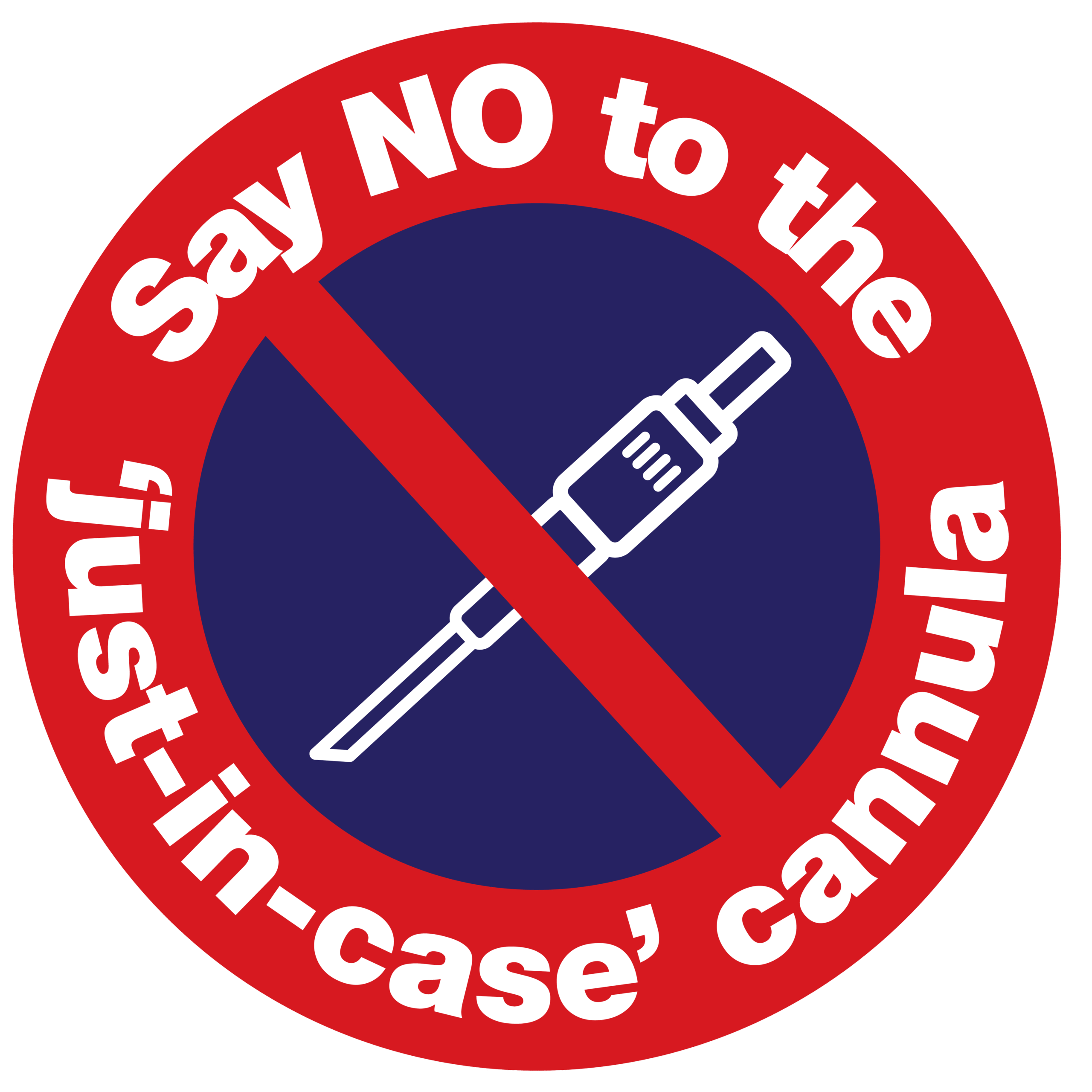
Posters to Promote Reflection and Critical Thinking
Highlight common ED presentations where PIVCs are often unnecessary.
Develop concise, case-based posters to prompt clinical reflection.
Review content with clinical educators and medical/nursing leads.
Design engaging, branded posters aligned with campaign messaging.
Display posters weekly or fortnightly in key staff areas.
Reinforce learning by discussing topics during huddles or in-services.
Collect feedback and monitor PIVC use trends.
Regularly update poster topics based on new data or staff input.
Resources to Support Implementation
Weekly Rotating Topics: Short, changing messages to maintain engagement
Non-threatening Learning: Casual spaces (e.g., tearooms) for low-pressure reflection
Poster Templates: Ready-to-use, adaptable resources
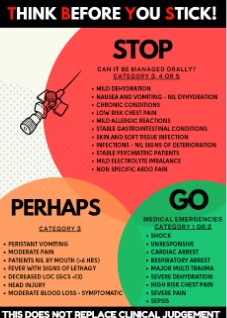
Podcast to Engage Clinicians
Example: Watch video. Ready to use or adapt for your service.
This podcast explores the complexities of choosing and inserting PIVCs for contrast use in radiology settings. It aims to educate nursing staff on:
Which PIVC types are required for specific scans
Which scans actually require a PIVC
By providing clear, scenario-based education, the podcast supports better decision-making and helps reduce unnecessary cannulation by clarifying when a PIVC is — and is not — needed.
Many health services lack a structured process for maintaining ongoing PIVC credentials for clinicians. Ensuring continuous credentialing is essential to keep clinicians’ knowledge and skills up to date, ultimately improving patient care and safety.
Review the PIVC credentialing process at your health service
Engage with the credential team to discuss and finalise the proposed changes
Update local policy, learning package, and educate clinical staff to reflect the change
Ready-to-Use Templates
Quiz: Annual PIVC Insertion Documentation
→ Google Form Copy
→ Microsoft Form Copy
Quiz: Cannulation and Nurse-Initiated Pathology
→ Google Form Copy
→ Microsoft Office Copy
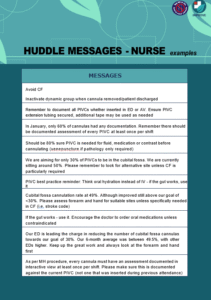
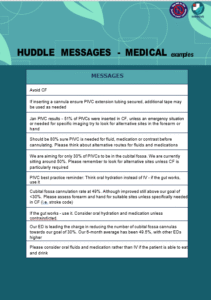
Regularly remind clinical staff about interventions during daily briefings, including doctors’ and nurses’ meetings, such as huddles. Use these opportunities to reinforce interventions, ensure awareness, and address any questions or concerns.
Huddle Message Slide Deck

Weekly Huddle Messages (Downable Word Document Template)
Understand your sites PIVC culture better.
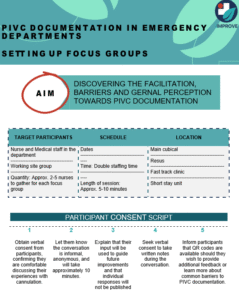
ED sites to gather a group of clinical staff in the ED during double staffing time
Discuss barriers and attitudes to the best practice of PIVC and provide education on the importance and goals of this initiative
Focus Group Question Template – Download and tailor to suit your local context.
Hold site working group meetings with interested parties, e.g., doctors, hospital medical officer (HMO), nurses, unit nurse manager (NUM), assistant unit nurse manager (ANUM), clinical nurse specialist (CNS), who can promote role modelling the correct procedures. By involving these influential team members, the working group can effectively drive the initiative, ensuring that best practices are consistently followed and reinforced across the department.